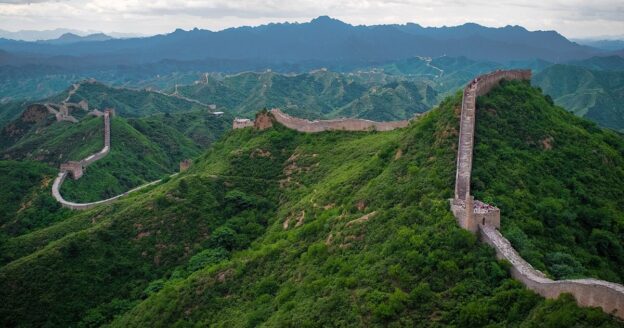
Beijing has declared martial law on the internet getting any bigger. Under emergency orders from the newly created Ministry of Bandwidth Restraint, anyone caught expanding the internet can now be detained on the spot, and officials say they are paying special attention to system administrators who name their servers “Shit Eye” or “Drunk Recursion.”
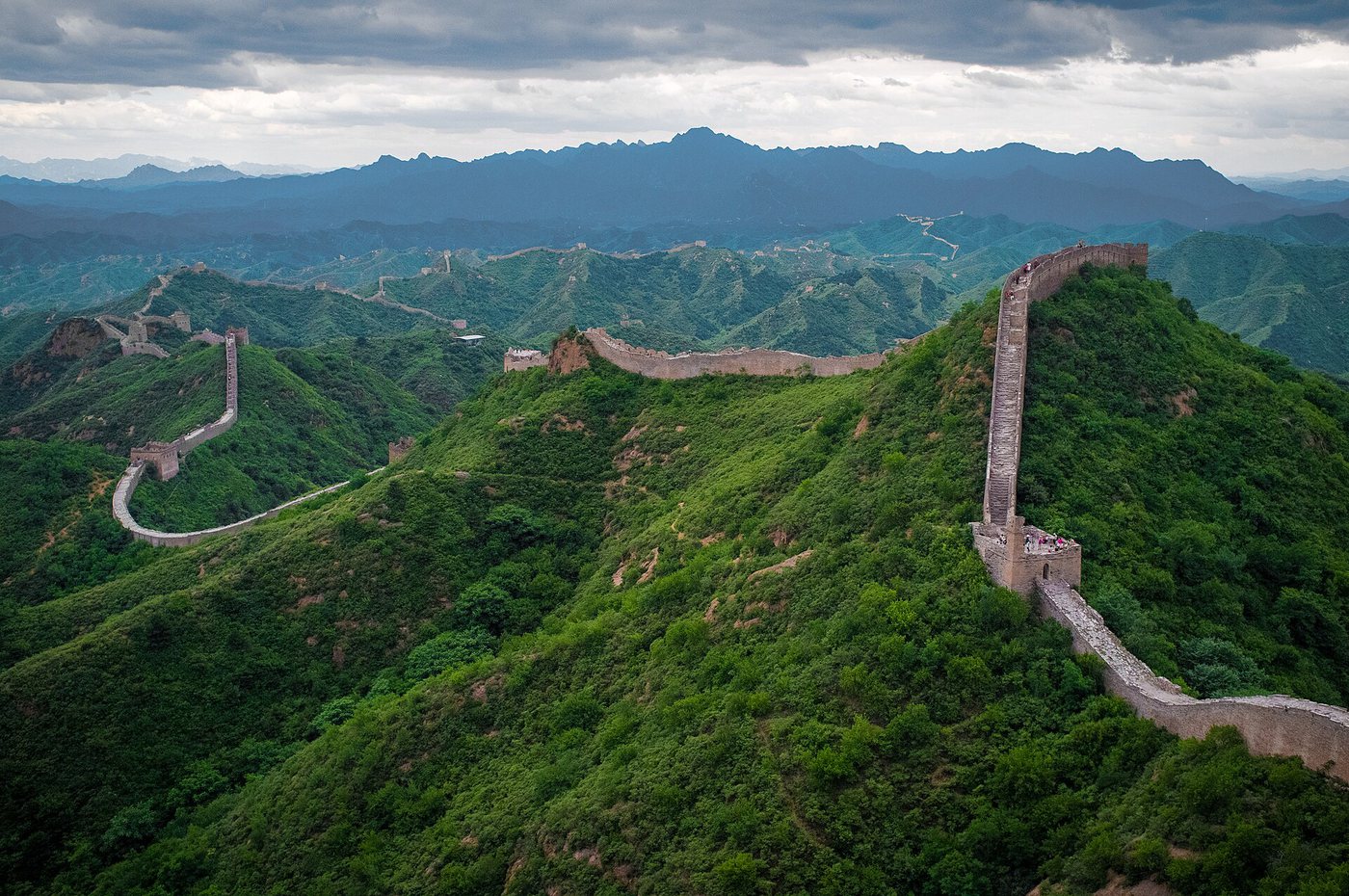
The emergency orders at a glance
- In force: immediately, or whenever your DNS cache expires, whichever is later
- Banned: new servers, new cables, new websites, and plugging in a second monitor
- Most wanted hostnames:
shit-eyeanddrunk-recursion - Penalty: 30 days of reading the DNS specification aloud to a firewall
- Exempt: servers named
server1,server2andserver-final-FINAL-v3
Why the internet had to be stopped
According to the Ministry, the internet has quietly grown to “an unauthorized size.” Inspectors say they measured it twice, once with a tape measure and once with a ping, and both times it came out bigger than the paperwork allowed. A spokesman for the Ministry, speaking from behind a very small router, said the country would “not be bullied by exponential growth.”
Under the new rules, the internet will be returned to its approved 1994 dimensions: roughly one GeoCities page, a dancing baby and a webcam pointed at a coffee pot.
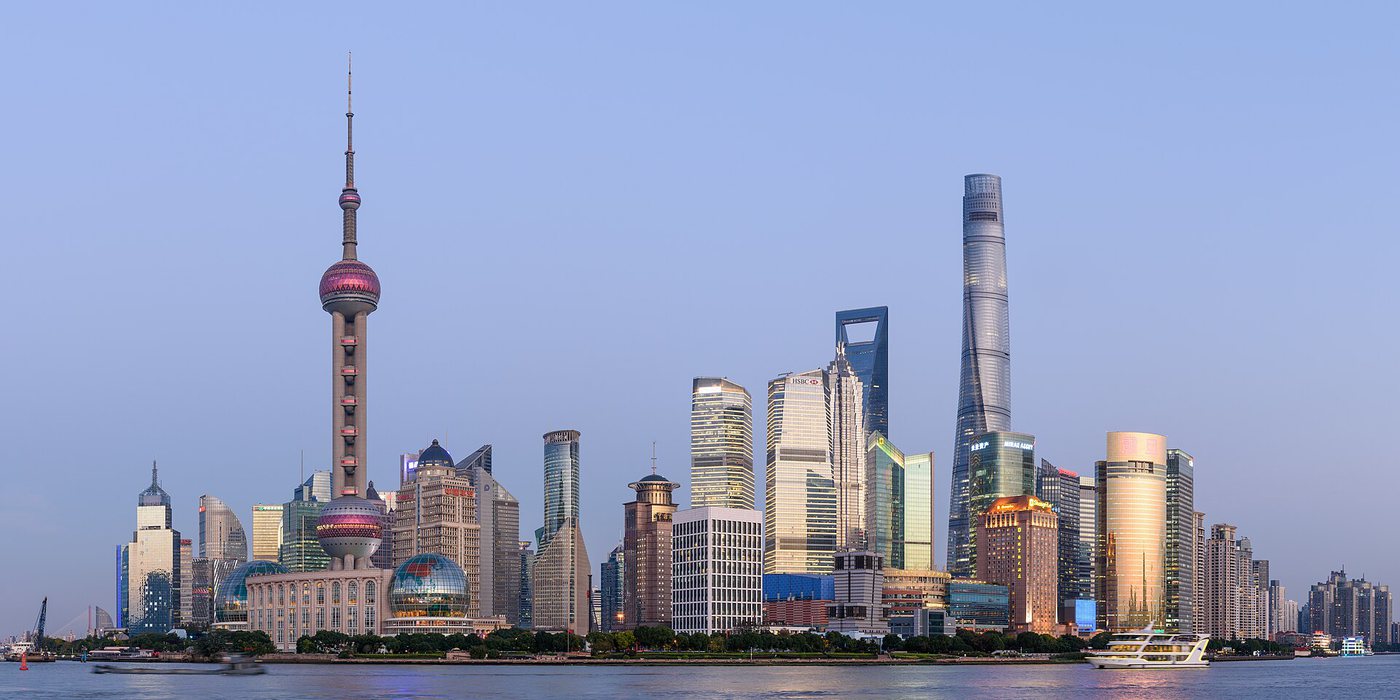
The hunt for “Shit Eye”
Trouble began when an auditor ran a reverse DNS lookup on a suspicious IP address and the hostname that came back was shit-eye. “The PTR record looked back at us,” said one inspector, who has since been given two weeks of leave to recover. Within hours, the Ministry had issued a nationwide alert for any machine whose name could not be read out loud on state television.
Officials stress that the server’s behaviour was never the problem. It answered every query on time and had perfect uptime. The problem, they say, is that every time an engineer typed its name into a terminal, the internet got slightly bigger out of pure embarrassment.
The case against “Drunk Recursion”
The second fugitive, a DNS resolver called drunk-recursion, is accused of asking itself where it lived 4,000 times in a row before confidently announcing that every website on earth was located inside a karaoke bar. Investigators say it then cached that answer for a week.
All resolvers must now pass a roadside breath test before answering queries. A resolver that cannot say “authoritative nameserver” three times fast is taken off the road, and its time-to-live is suspended.

What counts as “expanding the internet”
- Buying a Wi-Fi extender, now classified as an offensive weapon.
- Posting any cat video longer than seven seconds.
- Saying the words “let me just spin up another instance.”
- Using IPv6. Officials call its 340 undecillion addresses “an act of aggression.”
- Opening a 48th browser tab. Tabs 1 to 47 remain legal for now.
- Telling anyone to “just Google it,” which counts as distributing search results.
Checkpoints on the Great Wall
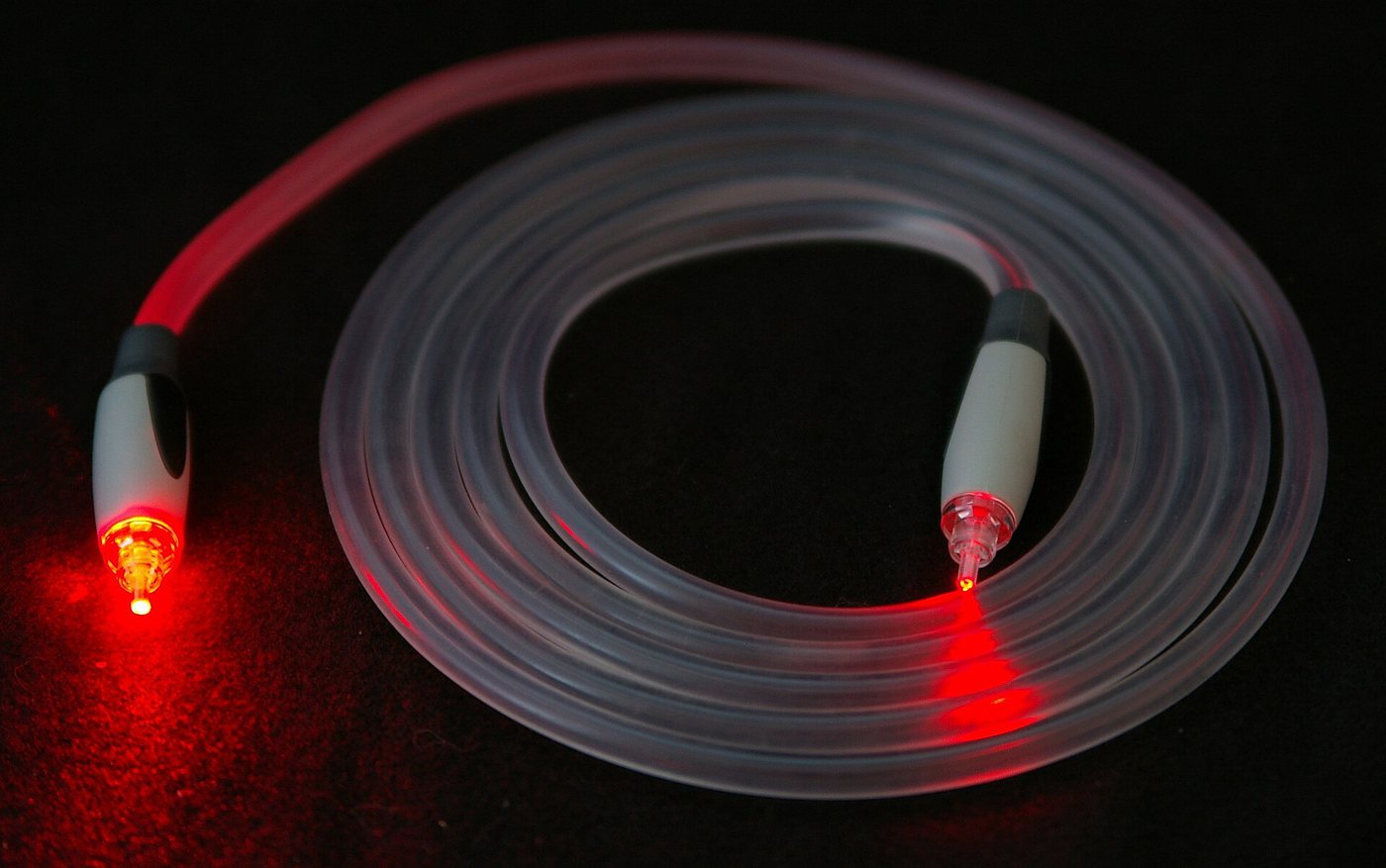
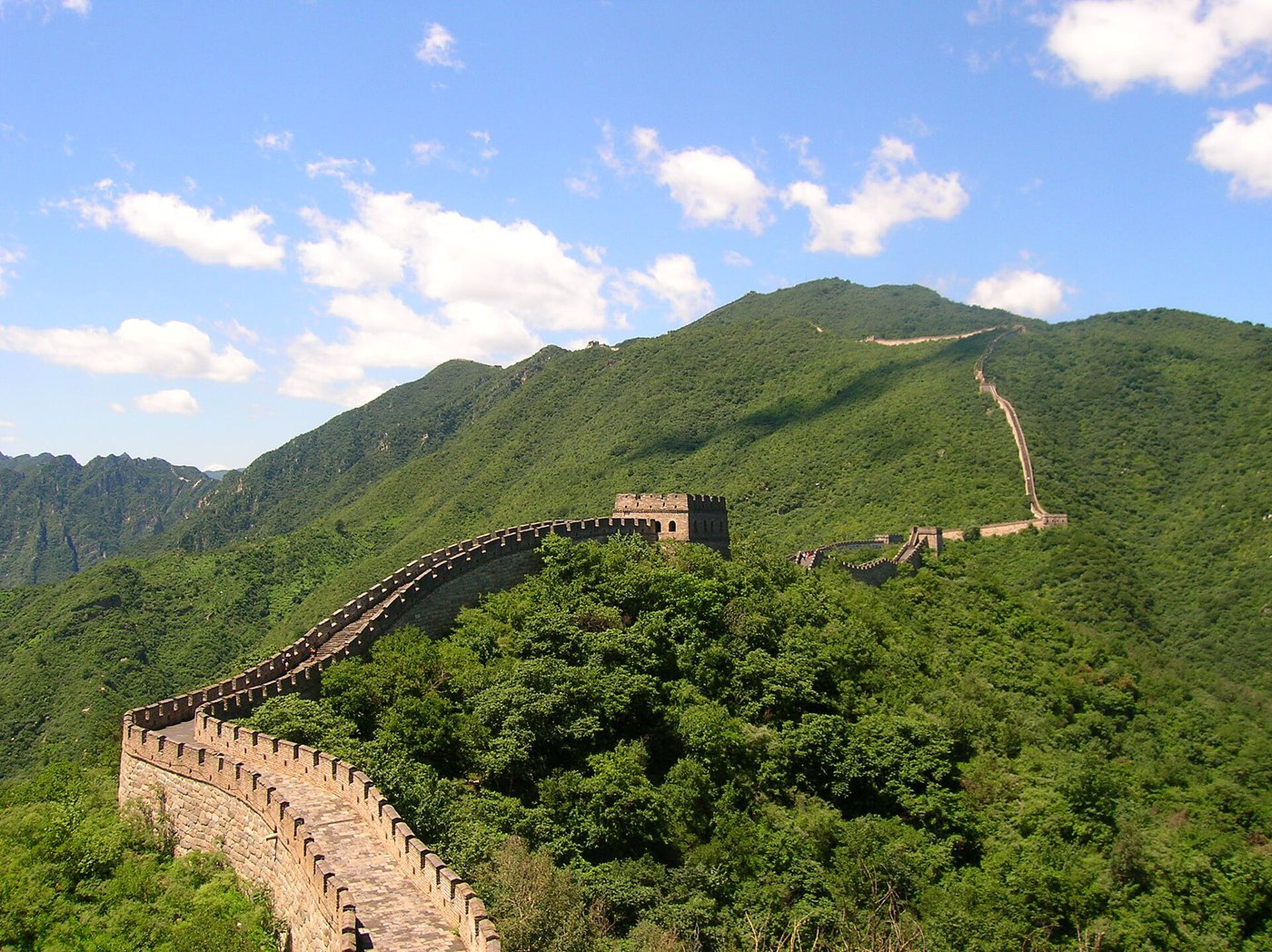
The Great Firewall has finally been given an actual gate. Every packet entering the country must stop at a checkpoint on the Great Wall, show its papers, declare its time-to-live and explain where it is going and why it needs to be so large. Packets carrying memes are waved through after a short interview. Packets carrying software updates are held for questioning indefinitely.
How sysadmins are coping
Across the country, system administrators are renaming their machines as fast as they can. shit-eye has reportedly been rebooted as compliance-01, and drunk-recursion now goes by responsible-iteration and attends weekly meetings. Engineers who still have a server called yolo-prod are advised to stay indoors.
The Ministry says martial law will be lifted as soon as the internet is back to an acceptable size, or as soon as somebody finds the off switch, which officials believe is “somewhere near the router, behind the plant.”
Photos via Wikimedia Commons: Great Wall at Jinshanling by Severin.stalder, CC BY-SA 3.0; Pudong skyline by King of Hearts, CC BY-SA 4.0; server racks by Victor Grigas, CC BY-SA 3.0; fibre optic cable by Hustvedt, CC BY-SA 3.0; Great Wall by Velatrix, CC0.