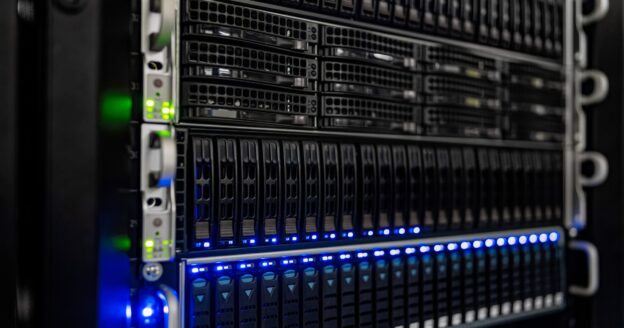
AI data center design is not just server room design with bigger numbers. A rack of modern GPUs can draw 40 to 130 kilowatts, against 5 to 10 kilowatts for a traditional enterprise rack. That one change rewrites almost every decision, from the utility contract to the floor slab.
Start with power, not the building
The first question for any AI site is how many megawatts the utility can deliver, and how soon. Grid interconnection queues now run for years in many regions, so designers work backwards from the substation: high-voltage service, step-down transformers, medium-voltage switchgear, then busways feeding each row. Redundancy is planned here too. Training clusters can often accept N+1 power, while inference serving customers in real time usually needs 2N.
Cooling has gone liquid
Air alone cannot remove the heat from dense GPU racks. Current AI halls use direct-to-chip liquid cooling, with cold plates on each processor, coolant distribution units in the row and dry coolers or chillers outside. Rear-door heat exchangers handle the leftover air-side load. Designing the piping routes, leak detection and water supply early is far cheaper than retrofitting them.
Layout, weight and networking
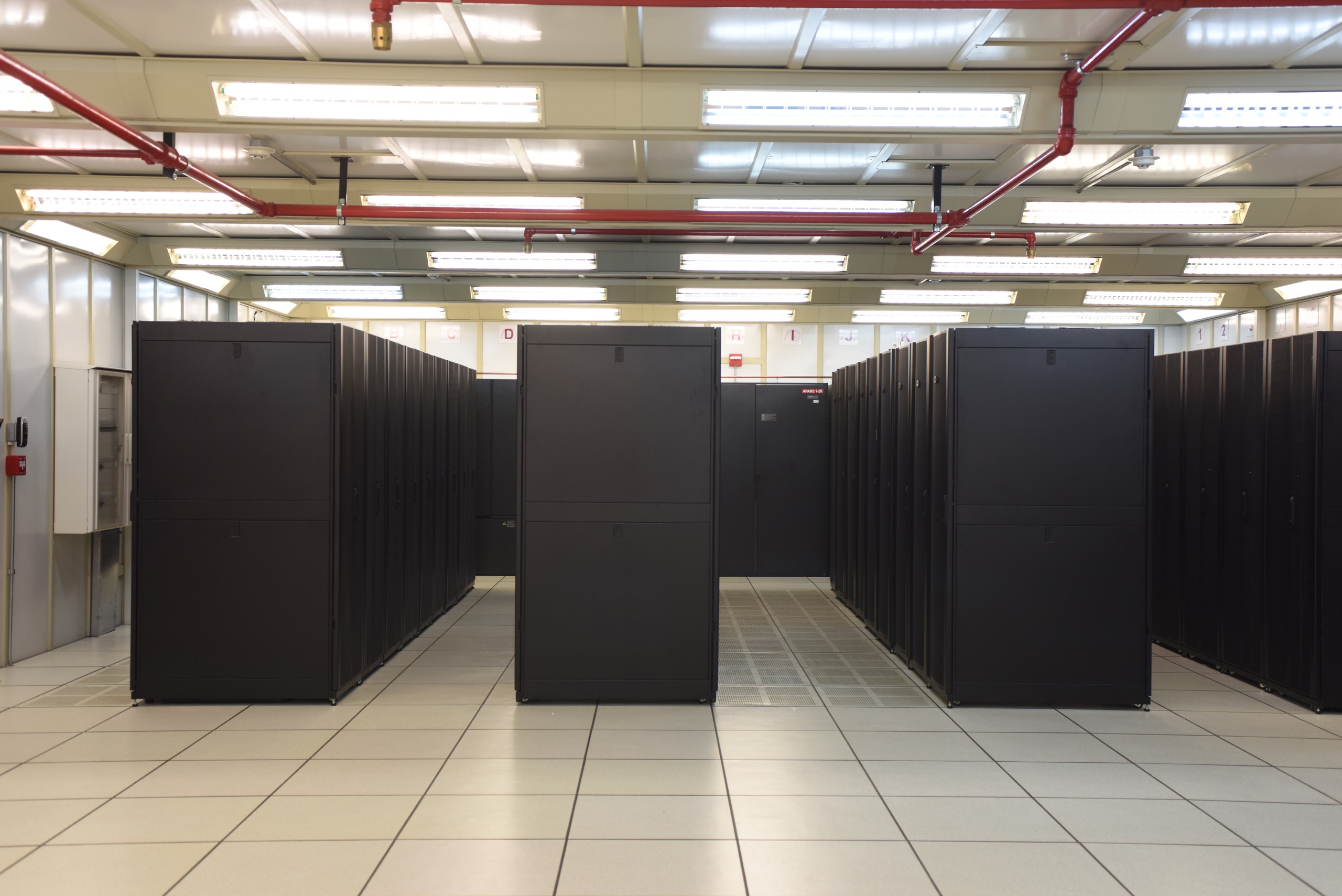
A loaded liquid-cooled rack can weigh over 1,500 kilograms, so slab-on-grade floors are replacing raised floors. Rows are planned around the network fabric: GPUs in a training cluster talk to each other constantly, so cable lengths and switch placement set how big a single cluster can be.
Why old mining sites are getting a second look
Crypto mining facilities already have what AI builders struggle to find: large utility connections, substations and land zoned for heavy power. Their mechanical, electrical and plumbing systems are often the starting point for a conversion. For a deeper look at how those systems are planned, see this guide to Data Center Mining Mep, which covers the electrical path, cooling options and MEP checklist for mining sites.
The bottom line
Good AI data center design is a power and heat problem first and a real estate problem second. Lock in the megawatts, design for liquid cooling from day one and leave room to grow. Everything else is racking.
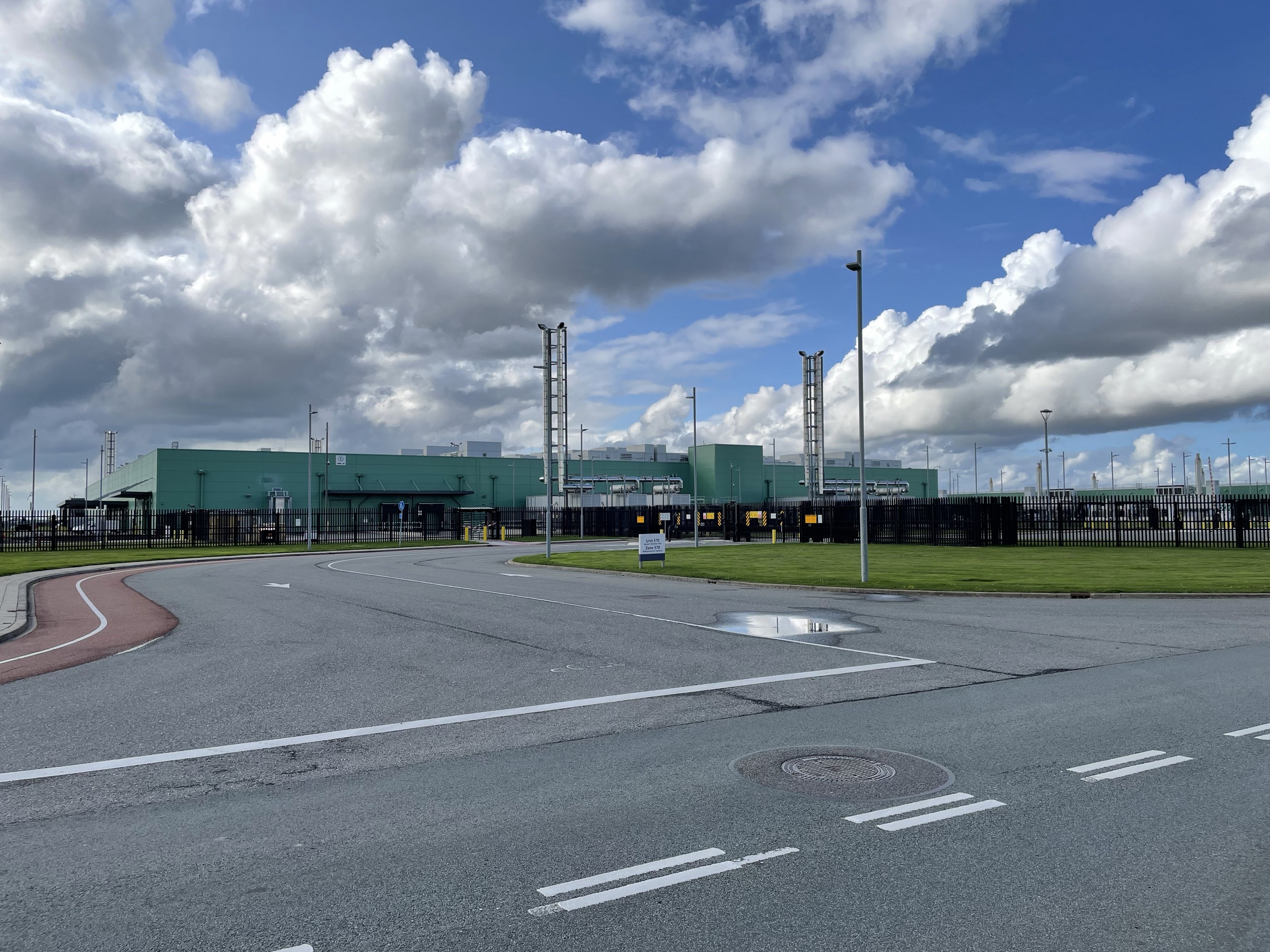
Photo credits: header image NOIRLab/NSF/AURA/T. Slovinský (CC BY 4.0, cropped); ARSAT data hall by IMarcoHerrera (CC BY-SA 4.0); Microsoft Middenmeer by Hay Kranen (CC BY 4.0). All via Wikimedia Commons.