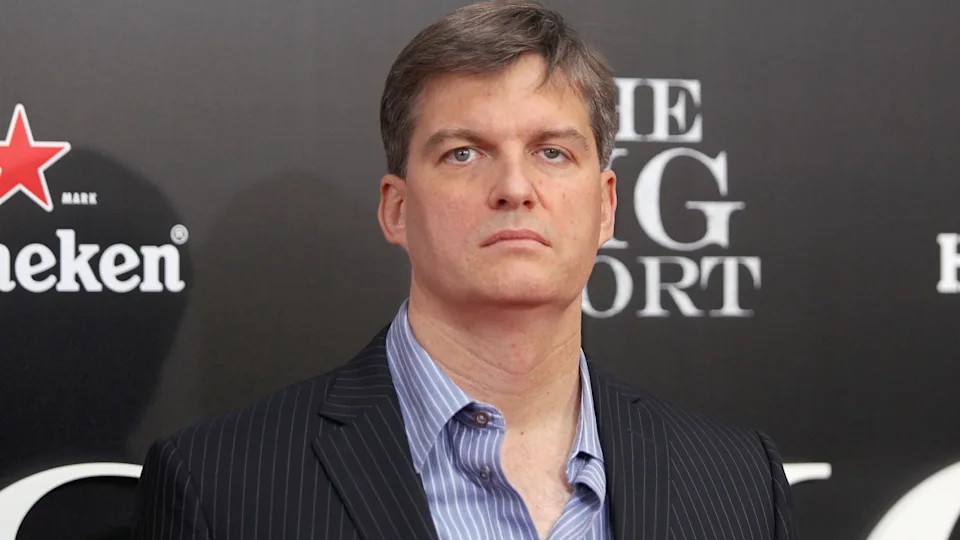
 Michael Burry, the investor best known for calling the 2008 housing crash, has built something unusual for a Wall Street figure: a newsletter business that may now rival his old hedge fund in headline-grabbing size. His Substack, Cassandra Unchained, passed 300,000 subscribers in mid-July 2026, and the math behind that number — a full-price subscription runs $39 a month or $379 a year — has produced eye-catching estimates of a $113 million annual run rate. But the real story is less about the theoretical revenue ceiling and more about what Burry has actually been doing with the platform since he launched it, and how his biggest trades have played out.
From hedge fund manager to full-time writer
Burry launched Cassandra Unchained in November 2025, shortly after deregistering Scion Asset Management with the SEC — a move that ended his obligation to file quarterly 13F disclosures and effectively closed the public window into his portfolio. Rather than going quiet, he went the opposite direction: reviving his presence on X and turning the newsletter into his primary outlet for market commentary, trade disclosures, and long-form essays on companies and macro themes.
On the newsletter’s “About” page, Burry describes the project as his “sole focus,” writing that he plans to publish “one or more pieces most weeks,” mixing timely trade updates with deeper analytical essays, and occasionally bringing in guest contributors. He’s been explicit that this isn’t a retirement hobby: “There is still nothing I enjoy more than analyzing companies and markets each and every day,” he has written on the site.
The subscriber math moved fast. The newsletter reportedly added more than 60,000 subscribers in a short burst after Burry published his first AI-focused essays and sharpened his criticism of Nvidia’s stock-based compensation, hyperscaler spending patterns, and accounting practices. By mid-July, Substack’s own finance rankings placed Cassandra Unchained at No. 2 on the platform.
When he announced the 300,000 milestone, Burry struck a notably sentimental tone for a trader known for blunt, contrarian calls: “Less than eight months into this new and intense adventure that is Cassandra Unchained, I am stunned and humbled by the unique, thoroughly enjoyable community of awesome people we have all created at CU.”
Where the $113 million figure actually comes from — and why it’s soft
The number circulating in headlines is a simple back-of-envelope calculation: multiply roughly 300,000 subscribers by the $379 annual subscription price. That’s the entire basis for the $113 million figure.
In practice, that math almost certainly overstates real revenue by a wide margin. Substack’s subscriber counts blend free and paid readers together, and Burry hasn’t disclosed what share of his 300,000-plus subscriber base is actually paying anything. Much of his content — including trade disclosures and market commentary — is published to free subscribers, with deeper “Trading Post” pieces and detailed position write-ups reserved for paying members. Substack also takes a platform cut of subscription revenue before creators see it. So while the newsletter is unquestionably a large and lucrative operation, treating the $113 million figure as an actual income statement rather than a theoretical ceiling is a stretch.
The trades that built his newsletter following
The essays that drove Cassandra Unchained‘s growth were built around a consistent thesis: that AI infrastructure spending has outrun the economics supporting it. Burry’s biggest, most publicized bet has been a bearish position against Palantir, expressed through long-dated put options that he has rolled forward multiple times rather than closing out. He’s disclosed holding puts with a June 2027 strike and a December 2026 strike on the stock, and he reaffirmed in the spring that he was “not selling” the position even after President Trump publicly praised Palantir’s defense-technology work, which briefly lifted the stock.
He’s paired that with a bearish bet against Nvidia, adding to his put position at points during the year and explaining his reasoning in granular detail — down to specific strike prices and his thinking on time decay versus simply shorting the stock outright.
Both trades have had rocky stretches. Palantir shares fell sharply through parts of the winter and spring, at one point down more than a third from where Burry’s original bet was placed, which looked like vindication for the short thesis. But by summer, sentiment reversed: Palantir jumped roughly 9% in a single session after announcing a partnership with Nvidia to build AI models for U.S. government customers, and reports indicated Burry had trimmed his short position on the stock around that time.
Beyond his AI-skeptic trades, Burry has also been rotating capital toward China. He disclosed a stake of more than 6% in Alibaba in the spring and has repeatedly added to a position in JD.com, at one point calling it one of his three largest holdings and arguing that enthusiasm around AI and memory-chip stocks would fade in favor of Hong Kong- and China-listed equities.
A newsletter, not a fund
The most important structural fact about Cassandra Unchained is what it isn’t: a registered investment vehicle. Burry writes about his own trades and rationale, but subscribers aren’t investing alongside him, and the newsletter carries none of the reporting obligations a hedge fund does. That’s part of what makes the subscriber growth notable — Burry has effectively replaced quarterly 13F filings, which the public used to comb through for clues about his thinking, with near real-time essays that he controls entirely and monetizes directly.
Whether that adds up to nine figures a year is unverifiable from the outside. What’s clear is that Burry has built one of the largest paid followings in financial media in under a year, and that his central bet — that parts of the AI trade are overextended — is still very much live, with the market handing him wins and losses on it in roughly equal measure so far in 2026.