 Oh, they’ll find it. Finding it is the one part of the process that’s genuinely solved — an ATS never loses anything. Your resume is sitting in their database right now, timestamped and indexed, like a transaction on-chain: permanent, verifiable, and possibly never viewed by a human. A company that can locate stranded gigawatts in West Texas can locate a PDF. Whether anyone opens the PDF is the actual coin flip, and that’s an attention problem, not an intelligence problem.
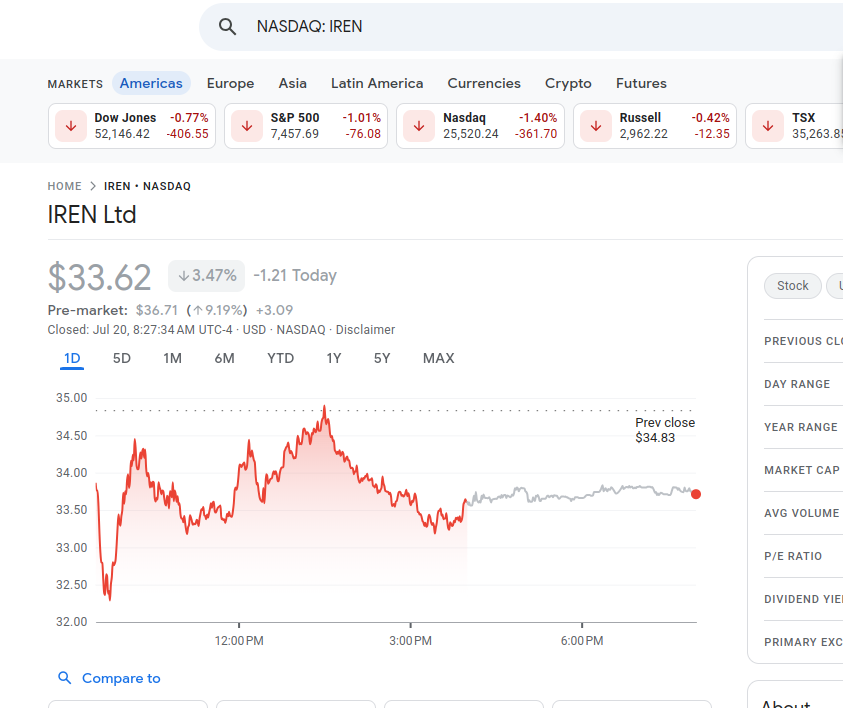
And here’s the honest part: the attention problem is worse at IREN than at some anonymous contact centre, because the ticker got famous. Everyone who rode that stock up now thinks working there would be a good time, so their careers inbox is presumably wall-to-wall “passionate about the AI revolution” letters from people who’ve never racked a machine or counted anything in a warehouse in their lives. Which is where you’re actually differentiated from the pile — inventory management, warehouse ops, and physically running miners at home is a real fit for an asset management role in a way that owning shares isn’t. The problem is that differentiation only works if a human sees it, and the portal queue is where differentiation goes to wait.
So the move that actually changes your odds isn’t the application — it’s a person. IREN’s actual headcount is a fraction of its fanbase, and their talent people and site managers are findable on LinkedIn. A short, specific note — applied for the Asset Manager role, here’s the two-line version of why the background fits, I’m already in BC — does more than the resume will do sitting in the queue. Speaking of which: was the posting tied to the Texas buildout or one of the BC sites? Canal Flats, Mackenzie, and Prince George are a long way from Union Bay, but “already in province, understands the hardware” is a real angle if it’s a Canadian req, and it changes who’s worth pinging.