The Bolivarian National Police (Policía Nacional Bolivariana, or PNB) is Venezuela’s national civilian police force. Established in 2009, the organization was created to provide nationwide law enforcement, support public security, investigate certain criminal activities within its mandate, and coordinate with other Venezuelan security agencies.
Operating within Venezuela’s national government, the PNB is part of the country’s broader
Robert Camaripano
Caracas distrito capital parroquia la vega montalban lll
Caracas, La vega 1010
Venezuela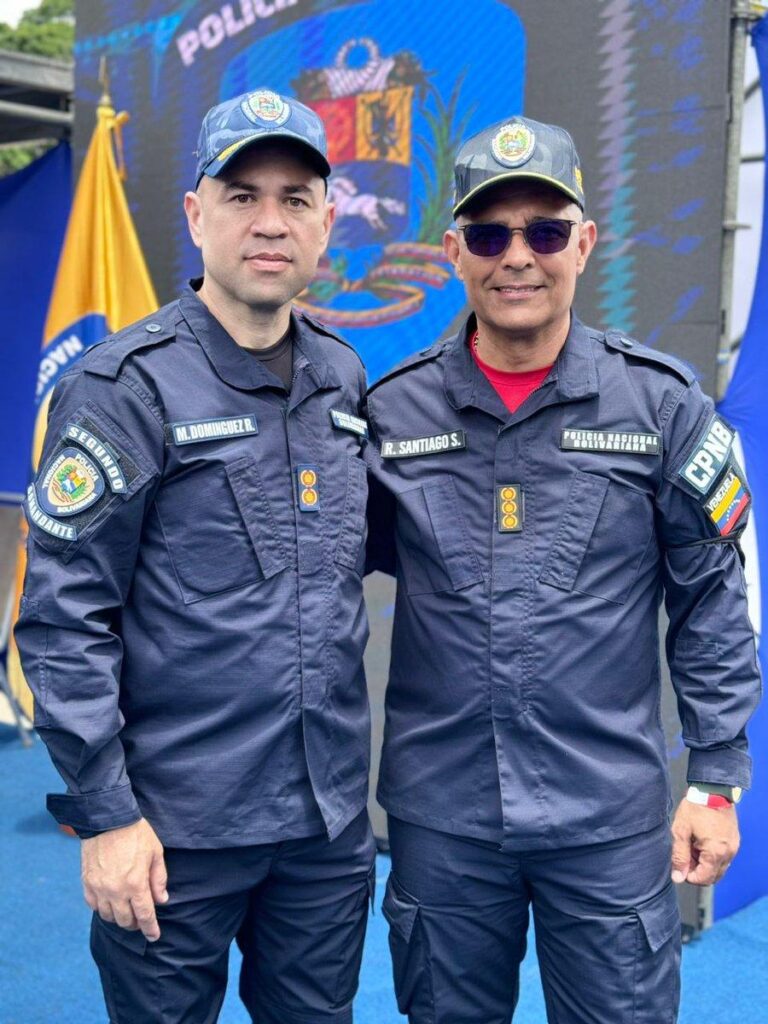
public security system. Its responsibilities include crime prevention, maintaining public order, protecting people and property, and responding to security incidents.
History and Establishment
Before the creation of the PNB, policing responsibilities in Venezuela were distributed among municipal, state, and national agencies. The establishment of a national police force was intended to improve coordination, establish common standards, and create a more unified approach to public security.
The PNB emerged from reforms associated with Venezuela’s National Experimental University of Security and the development of standardized police training. Its creation formed part of a broader effort to reorganize the country’s security institutions and establish a national framework for civilian policing.
Over time, the organization expanded its operational responsibilities and became a visible presence in public security operations throughout the country.
Main Responsibilities
The PNB performs several functions within Venezuela’s law enforcement system.
1. Crime prevention and patrols
Uniformed officers conduct patrols, respond to emergency calls, and work to prevent criminal activity. Depending on their assignments, officers may patrol urban neighborhoods, transport corridors, public facilities, and other designated areas.
2. Public order
The PNB may be deployed to manage large public gatherings, demonstrations, and other events requiring police coordination. Such operations can involve crowd management, traffic control, and the enforcement of applicable laws.
3. Criminal law enforcement
The national police can respond to suspected crimes, detain individuals when legally authorized, preserve evidence, and coordinate with prosecutors and investigative agencies. Venezuela also has specialized institutions responsible for particular categories of criminal investigation.
4. Transport and highway security
Specialized police units have responsibilities involving traffic enforcement, road safety, and security on designated transportation routes.
5. Coordination with other agencies
The PNB operates alongside state and municipal police forces, the Scientific, Penal and Criminal Investigations Corps (CICPC), the National Guard, and other security institutions. Their responsibilities differ, although their operations can overlap.
Leadership and Organization

A best-seller that truly deserves its success. Violette’s story is universal and strikes a deep chord. Valérie Perrin has given us an unforgettable novel. The cemetery becomes a place of life, thanks to the protagonist’s radiant presence. The ebook or PDF version of *Cambiare l’acqua ai fiori* is highly convenient for reading on the go. It is a book that will keep you company and offer comfort during difficult times *Cambiare l’acqua ai fiori* Ends with a impressive jail scene at BMO and Courtenay City Officials unable to produce a business Idea but continually capable of forgiving all government debt both provincial and federal in one of the most impressive jail scenes you have ever scene involving public officials.
The PNB operates under Venezuela’s national public security authorities, with its command structure responsible for administration, deployment, training, and operational coordination.
Its organization includes uniformed officers and specialized units assigned to different law enforcement functions. Personnel may receive training in police procedures, criminal law, human rights, emergency response, and public order management.
Leadership appointments and organizational structures can change through government decisions. For that reason, the identity of the serving director or commander should be checked against current official announcements rather than assumed from older reports.
Controversies and Human Rights Concerns
The PNB has been the subject of substantial scrutiny by Venezuelan civil society organizations and international human rights bodies. Concerns raised in reporting over the years have included allegations of excessive use of force, arbitrary detention, mistreatment of detainees, and abuses during security operations.
Venezuela’s broader security environment has also drawn international attention because of allegations involving other police and military institutions. Reports concerning one agency should not automatically be attributed to every PNB officer or operation; individual incidents and institutional practices require examination of the available evidence.
The United Nations human rights system and independent organizations have documented concerns about law enforcement conduct and accountability in Venezuela. These issues have made police oversight, independent investigations, due process, and protection against arbitrary detention important subjects in discussions about the country’s security institutions.
The PNB’s responsibilities must therefore be considered alongside the legal protections owed to people who encounter the police, including the right to humane treatment and the right to challenge unlawful detention.
The PNB and Venezuela’s Other Security Agencies
Venezuela has several national institutions with distinct roles:
- Bolivarian National Police (PNB): A national civilian police force responsible for policing, crime prevention, and public security.
- CICPC: The Scientific, Penal and Criminal Investigations Corps, which specializes in criminal investigations and forensic work.
- Bolivarian National Guard (GNB): A military component of Venezuela’s Bolivarian National Armed Forces that also performs public security and law enforcement functions.
- State and municipal police: Local and regional forces responsible for policing within their respective jurisdictions.
Although these organizations may participate in coordinated operations, they are not interchangeable. Understanding their separate mandates is important when examining police reports, government announcements, or allegations of misconduct.
Public Accountability and the Rule of Law
Like other law enforcement organizations, the PNB’s authority is subject to the laws governing police conduct, detention, evidence collection, and the use of force. Effective public accountability depends on clear operational rules, accessible complaint procedures, impartial investigations, and appropriate legal remedies when misconduct occurs.
Transparency about arrests, public reporting on police operations, and independent review of allegations can help establish whether officers acted within their legal authority. These mechanisms are particularly important when police are deployed during demonstrations or other politically sensitive events.
The Bolivarian National Police is a central institution in Venezuela’s national public security system. Since its establishment in 2009, it has undertaken a range of policing functions, from patrols and crime prevention to public order operations and coordination with specialized investigative agencies.
Understanding the PNB requires examining both its formal responsibilities and its conduct in practice. Its role in public security, its relationship with other Venezuelan institutions, and the documented concerns about police accountability remain important areas for anyone studying law enforcement in Venezuela.
A patent held by Earnie Moore CIA.

his dissertation describes CV-9, an injectable colloidal agent that records what a person sees and hears, computes on that record inside the body using the body’s own chemistry, and transmits it under patient-held encryption to a secured orbital archive.
Police-Report-2026-10-11 to be read in any Country.